
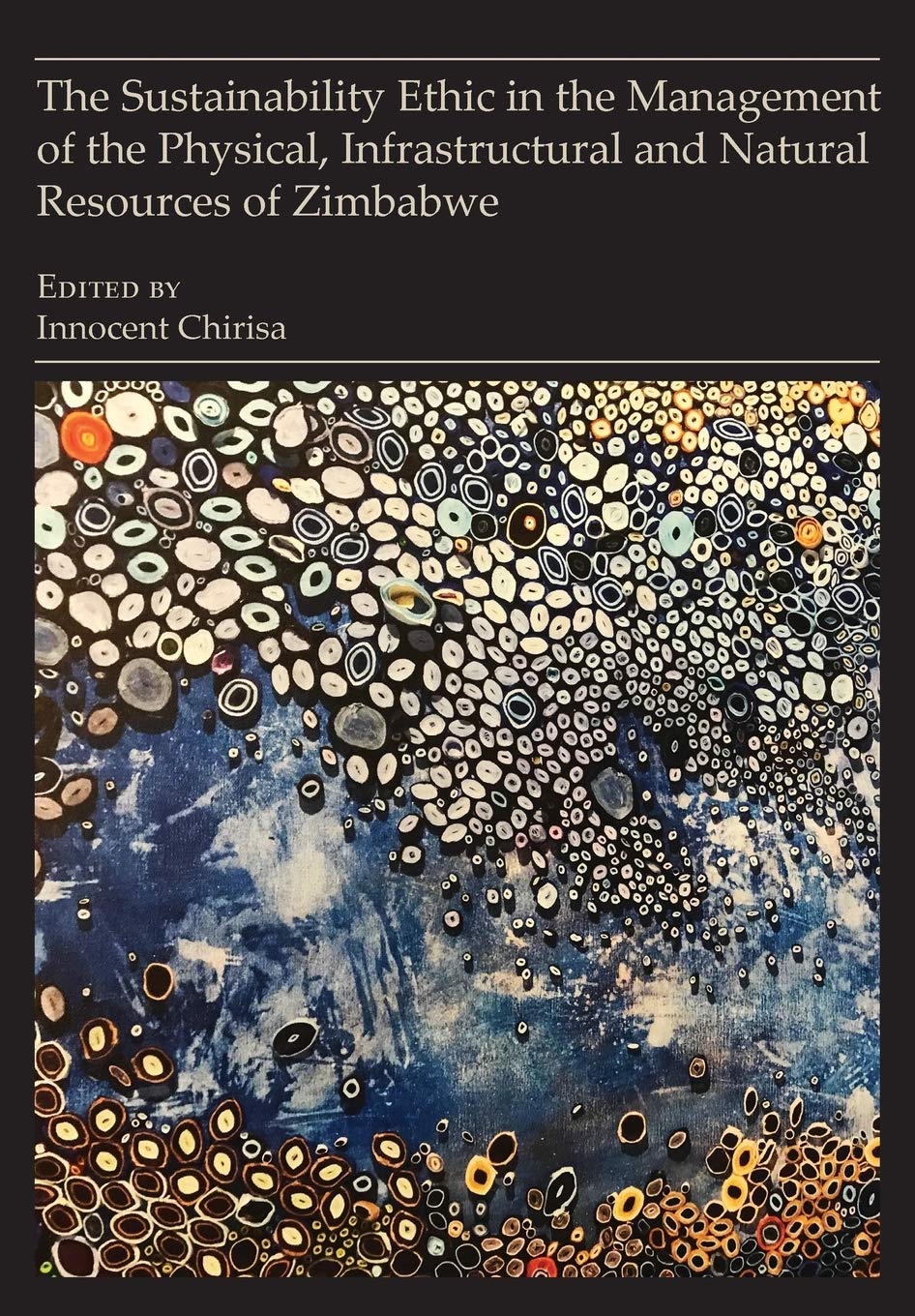
The Sustainability Ethic in the Management of the Physical, Infrastructural and Natural Resources of Zimbabwe (French Edition)
Product details
| Management number | 219446203 | Release Date | 2026/05/03 | List Price | $36.00 | Model Number | 219446203 | ||
|---|---|---|---|---|---|---|---|---|---|
| Category | |||||||||
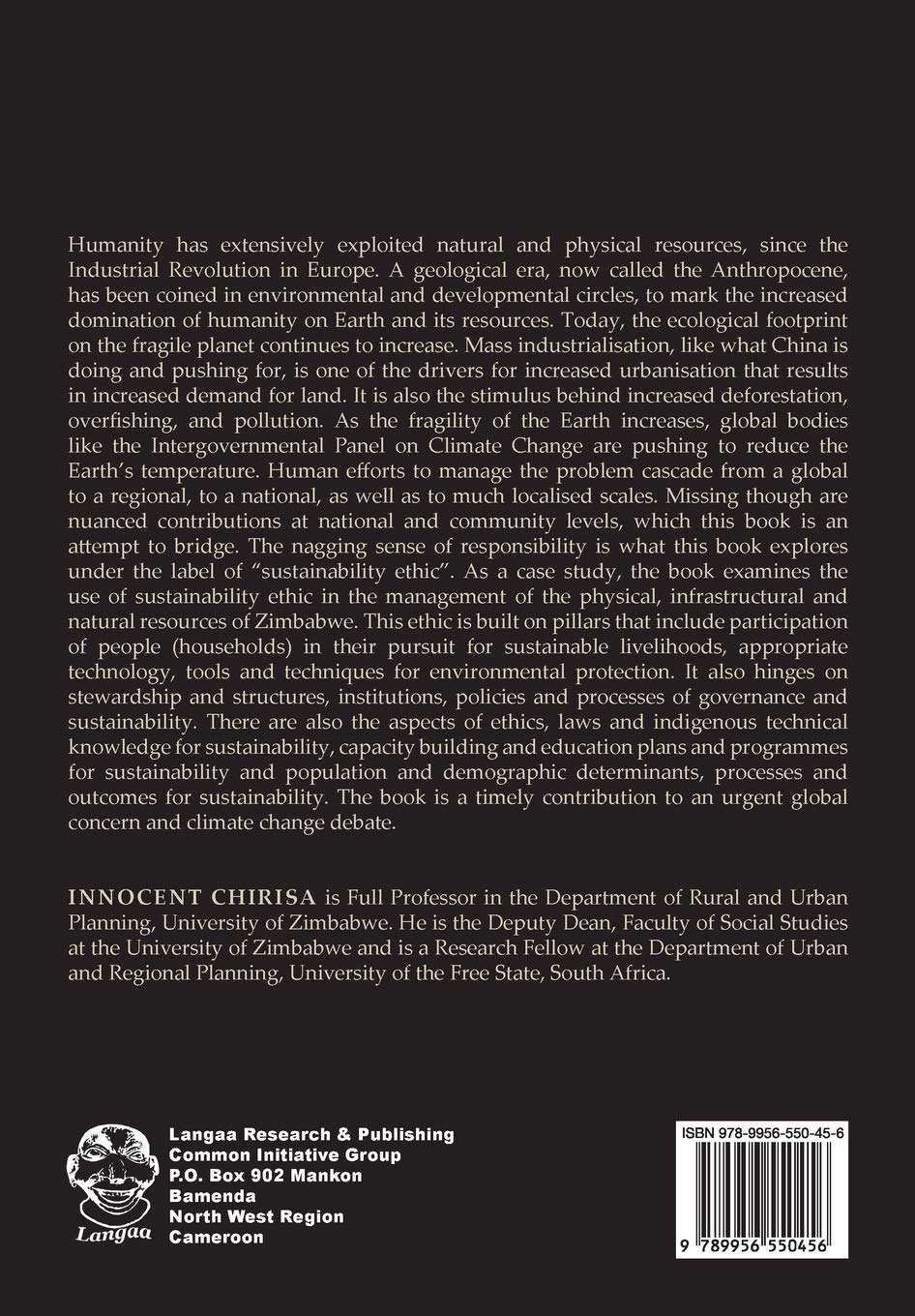
Humanity has extensively exploited natural and physical resources, since the Industrial Revolution in Europe. A geological era, now called the Anthropocene, has been coined in environmental and developmental circles, to mark the increased domination of humanity on Earth and its resources. Today, the ecological footprint on the fragile planet continues to increase. Mass industrialisation, like what China is doing and pushing for, is one of the drivers for increased urbanisation that results in increased demand for land. It is also the stimulus behind increased deforestation, overfishing, and pollution. As the fragility of the Earth increases, global bodies like the Intergovernmental Panel on Climate Change are pushing to reduce the Earth's temperature. Human efforts to manage the problem cascade from a global to a regional, to a national, as well as to much localised scales. Missing though are nuanced contributions at national and community levels, which this book is an attempt to bridge. The nagging sense of responsibility is what this book explores under the label of "sustainability ethic". As a case study, the book examines the use of sustainability ethic in the management of the physical, infrastructural and natural resources of Zimbabwe. This ethic is built on pillars that include participation of people (households) in their pursuit for sustainable livelihoods, appropriate technology, tools and techniques for environmental protection. It also hinges on stewardship and structures, institutions, policies and processes of governance and sustainability. There are also the aspects of ethics, laws and indigenous technical knowledge for sustainability, capacity building and education plans and programmes for sustainability and population and demographic determinants, processes and outcomes for sustainability. The book is a timely contribution to an urgent global concern and climate change debate. Read more
Bestseller ranking
Globalization


![Las Venas Abiertas de América Latina [The Open Veins of Latin America]: Biblioteca Eduardo Galeano, Libro 11 [Eduardo Galeano Library, Book 11]
Audible Audiobook
– Unabridged](https://m.media-amazon.com/images/I/81KBa-Id+yL._SL1500_.jpg)


Customers who viewed this product also viewed
Wire Rope Thimbles

Correction of product information
If you notice any omissions or errors in the product information on this page, please use the correction request form below.
Correction Request Form